

Advanced Skin Treatments · Herndon, VA
Botinol G.M Collin Paris
Dramatically reduce the appearance of expression lines and deep wrinkles with our innovative Botinol anti-aging treatment for results. This service mimics a clinical radiance boost by relaxing facial tension and smoothing the skin's surface without invasive procedures. We utilize potent peptides to target high-movement areas of the face, ensuring a more relaxed and rejuvenated aesthetic for your daily life. Achieve a flawlessly smooth complexion that looks rested, vibrant, and professionally maintained.
Price$195
Duration75 mins
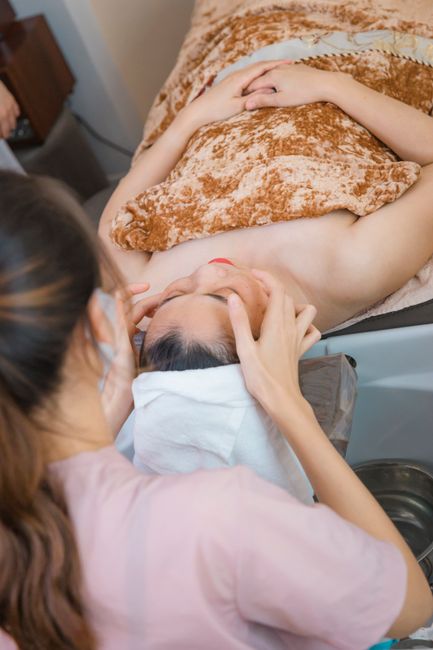
Botinol G.M Collin Paris Gallery
$$MultiPurposeText$$
See examples of our Botinol G.M Collin Paris work and results.
What Our Clients Say
$$MultiPurposeText$$
Read testimonials from our satisfied customers

Priya provided amazing service for my first experience— thanks so much for taking the time...more

Priya is very professional and kind. Highly recommended.

I haven't had my eyebrows done in YEARS, and decided to go with this place because they ha...more

Amazing results Microblading. Excellent customer service.

Great service. Walk in and reliable. Friendly staff and service. Definitely better threadi...more

Priya has been threading my brows for almost 10 years. She is thorough, takes her time, an...more

Frequently Asked Questions
Get answers to common questions about Botinol G.M Collin Paris.
Many clients notice subtle smoothing within days as peptides begin relaxing facial tension; optimal results appear over two to four weeks. Individual response varies, and improvements can continue to refine over subsequent treatments with recommended maintenance sessions.
Most clients describe minimal to no discomfort; treatment is topical and peptide-based without needles. Sensations are usually mild tingling or warmth. We use gentle protocols and can adjust intensity to ensure a comfortable experience throughout the session.
Initial protocols typically recommend a series of two to four treatments spaced one to four weeks apart, depending on skin condition and goals. After the primary series, maintenance sessions every four to twelve weeks help preserve results and continue improving skin quality.
Side effects are typically mild and transient, such as slight redness, temporary tightness or sensitivity. Serious reactions are rare. We perform a consultation and patch test when appropriate to minimize risks and provide clear aftercare instructions.
Ideal candidates seek non-invasive reduction of dynamic lines and desire smoother skin without injections. Suitable for most skin types; contraindications include active infections, recent facial procedures, pregnancy or known peptide allergies. Consultation confirms suitability and personalized treatment planning.
Avoid intense heat, strenuous exercise and exfoliating products for 48 hours. Use gentle cleanser, broad-spectrum sunscreen and hydrating serums recommended by your therapist. Follow aftercare instructions and contact us for any prolonged redness or unexpected reactions.
Ready To Book Botinol G.M Collin Paris?
$$MultiPurposeText$$
Schedule your botinol g.m collin paris appointment today and experience the difference.